Acoustic detector
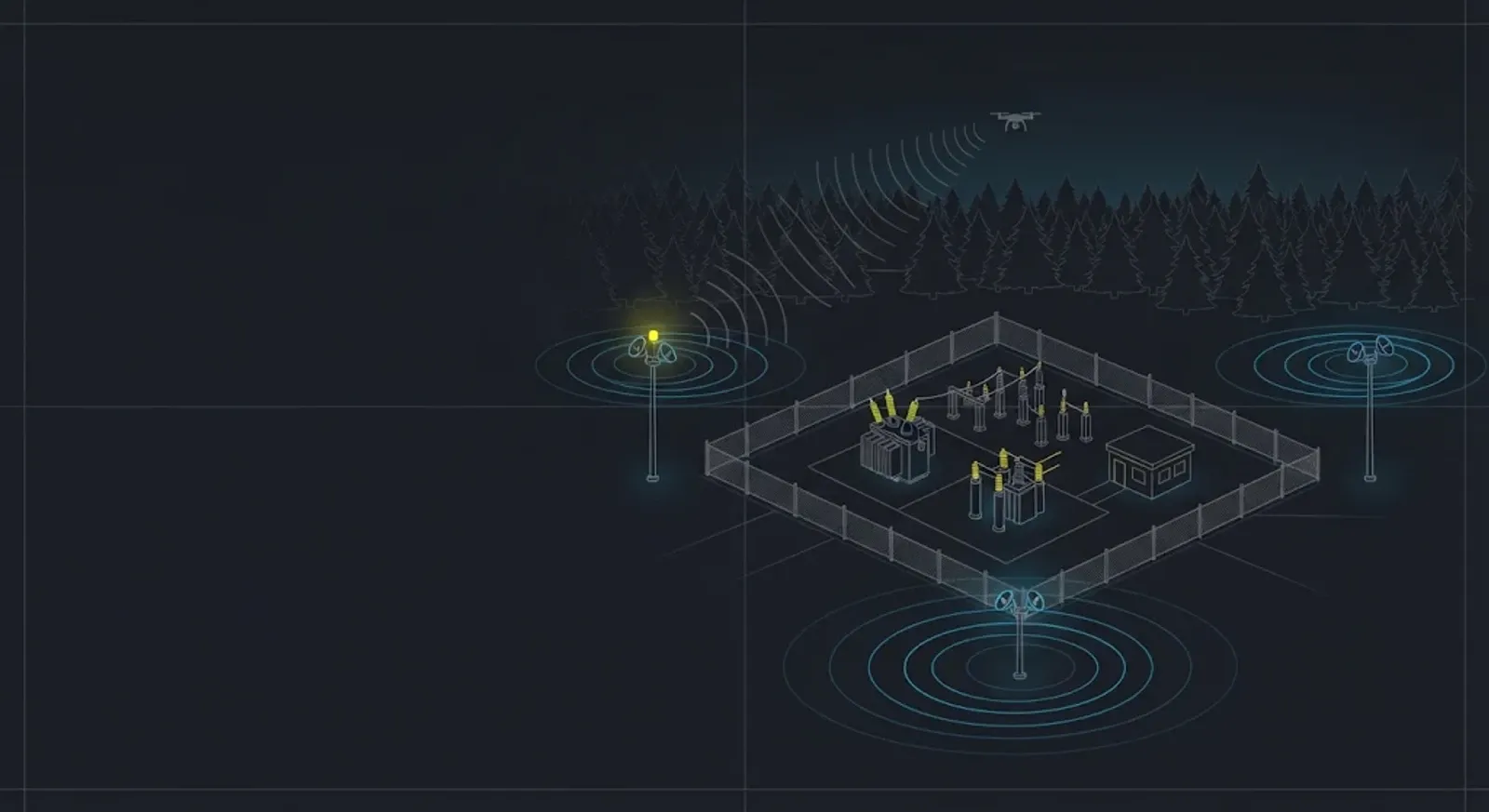
Solar-powered acoustic nodes recognise the sound of engines and propellers with on-board AI: combustion-engine drones up to 3 km, electric drones up to 200 m. Passive and silent, they hear drones that emit no radio signal.
Counter-drone · Airspace security
A counter-drone system detects, tracks and, where the law allows, stops unauthorised drones near a protected site. Unauthorised drones are now a routine risk for energy sites, industrial plants, logistics hubs and public events. We deliver layered counter-drone protection, from acoustic, visual and radar detection to mitigation, and integrate it with the way your security team already works.
Layered defence
Drones differ in size, link and autonomy. A protected site needs several layers that back each other up, sized to its threats, terrain and regulations.
Radar modules, RF mitigation modules, antennas and calibration targets come from our partner Tyko Tech; Perfsol designs the site coverage, integrates the system and supports it.
Radar, acoustic and visual detectors watch the airspace together, so a drone missed by one sensor is caught by another.
Tracks, video and alerts brought into one operator view, so the team sees what is approaching and decides quickly.
Modular RF mitigation across 14 frequency bands from 130 to 6000 MHz, scalable from one module to the full set as the threat picture requires.
Interceptor drone concepts that physically stop an intruding drone over the protected site when RF mitigation is not enough.
Detection
Each sensor has a blind spot: radio silence defeats RF detection, fog limits cameras, clutter confuses radar. Acoustic, visual and radar detectors combined leave a drone very few ways to approach unnoticed.
Solar-powered acoustic nodes recognise the sound of engines and propellers with on-board AI: combustion-engine drones up to 3 km, electric drones up to 200 m. Passive and silent, they hear drones that emit no radio signal.
Day and thermal cameras with on-board AI detect, classify and track drones, tell them apart from birds, and record video evidence of every incident, day and night.
Compact 60 GHz FMCW radar modules with a 3Rx / 2Tx MIMO array and up to 220° field of view measure range and movement in any light and weather.
Detections from every sensor are fused into one track with one alert, cutting false alarms and pointing cameras and mitigation at the right object.
Acoustic detection grid
A distributed grid of solar-powered acoustic nodes on masts and buoys listens for drones, aircraft, missiles and boats. Each node processes sound with on-board AI, estimates the direction of arrival and shares detections over a mesh network; several nodes together triangulate position, course and speed.
Twin parabolic reflectors on a mast or tripod for long-range listening over borders, perimeters and open terrain.
A single sealed unit for places without power or roads, running autonomously on solar power.
Floating nodes that extend the grid over coasts and archipelagos and also hear surface vessels and uncrewed boats.
Built for borders and early warning, remote wilderness with no grid power or roads, and coastal and maritime sites; works through satellite-navigation disturbance and four-season weather.
Configurations
Indoor equipment rooms with remote dome antennas for plants, substations, warehouses and other facilities that need protection around the clock.
Configurable modules, antennas and reflectors packed for fast set-up at temporary sites, events and convoys.
High-gain omnidirectional and directional antennas, and power amplifiers up to 200 W, chosen for the geometry of each site.
Luneburg lens and corner reflectors for radar calibration, cross-section evaluation and realistic test scenes.
Delivery
Our engineering services cover every step, from the survey to long-term support.
Regulation
RF mitigation and interception are regulated activities. We supply these capabilities only to operators authorised to use them, in line with the radio, aviation and export-control rules of their country, and we help clients establish what is permitted at their site.
A counter-drone system detects, identifies and tracks unauthorised drones near a protected site and, where the law allows, mitigates them. Ours combines acoustic, visual and radar detection, fuses them into one track and connects to the site's security tools.
It depends on the sensor and the drone. The acoustic nodes we deploy detect combustion-engine drones at up to 3 km and electric drones at up to 200 m in good conditions, according to the supplier's datasheet. Radar and camera coverage is designed for each site in the survey.
Yes. Acoustic nodes, cameras and radar detect the aircraft itself, so they also see drones flying pre-programmed routes and fibre-optic drones, which RF detectors miss.
Only operators authorised under their country's radio, aviation and export-control rules. We supply mitigation, across 14 modules from 130 to 6000 MHz, only to such operators. Detection on its own can be used far more widely.
With a site survey: the threat picture, terrain, RF and acoustic environment and neighbouring systems. We then design sensor coverage, install and tune the system, and run acceptance tests before handover.
From the blog
 Drone detection and counter-drone
Acoustic drone detection explained: how sensors hear drones with no radio link, how far they reach, their limits and how to deploy a sensor network.
 Drone detection and counter-drone
One night in November 2026 Ukraine faced 163 drones. Four counter-drone lessons for European airports, energy sites, ports and drone builders.
 Drone detection and counter-drone
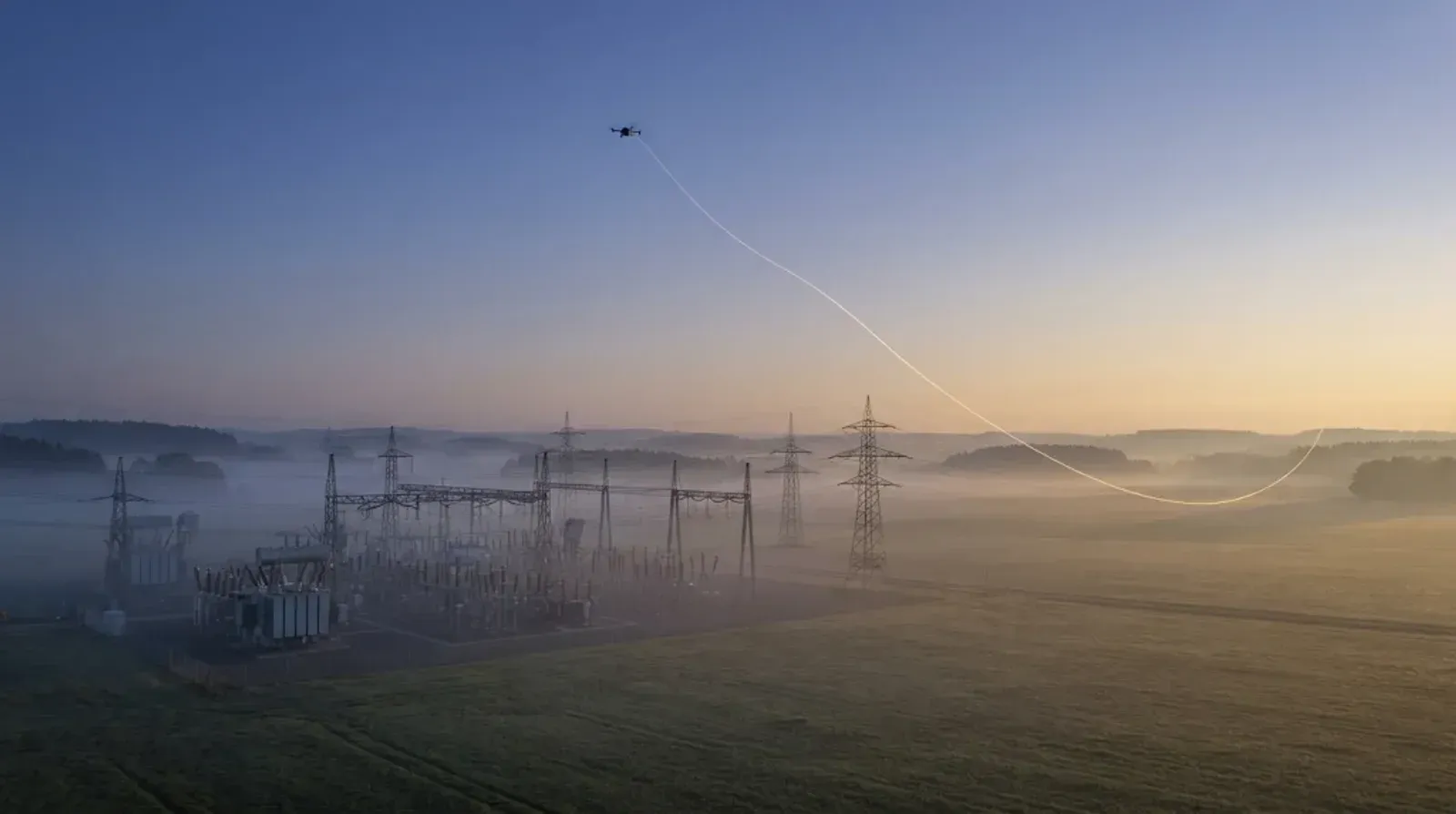
Fiber optic drones fly on a glass fibre, not radio, so jamming and RF detectors miss them. How they work, their limits and how critical sites detect them.
Next step
Tell us what you need to protect, its size and surroundings, and what you have seen in the air. We will propose an assessment.